With support from the Global Fund for Women, Hawa Feminist Coalition implemented a women’s economic empowerment project aimed at improving the skills, confidence, and livelihood opportunities of young women from internally displaced communities in Garowe, Puntland, Somalia.
The project supported 30 young women who face multiple barriers to economic participation, including limited access to education and vocational opportunities, unemployment, poverty, displacement, and restricted access to financial resources. Many women living in IDP settlements also carry significant household responsibilities while having few opportunities to earn a stable income or develop sustainable businesses.
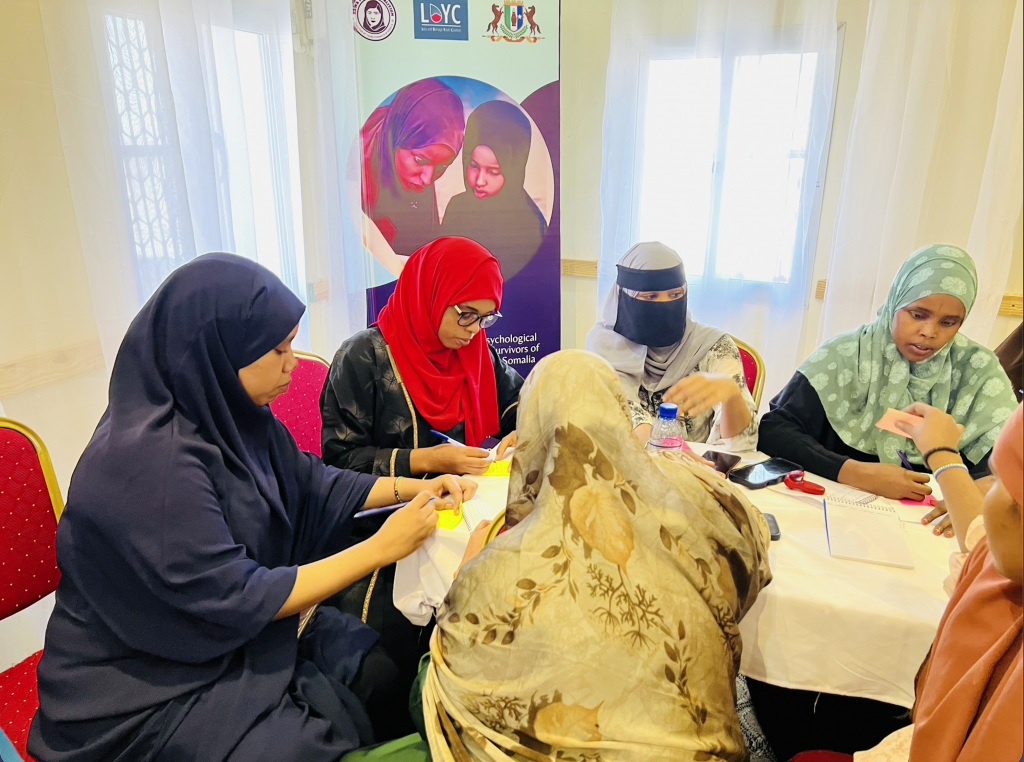
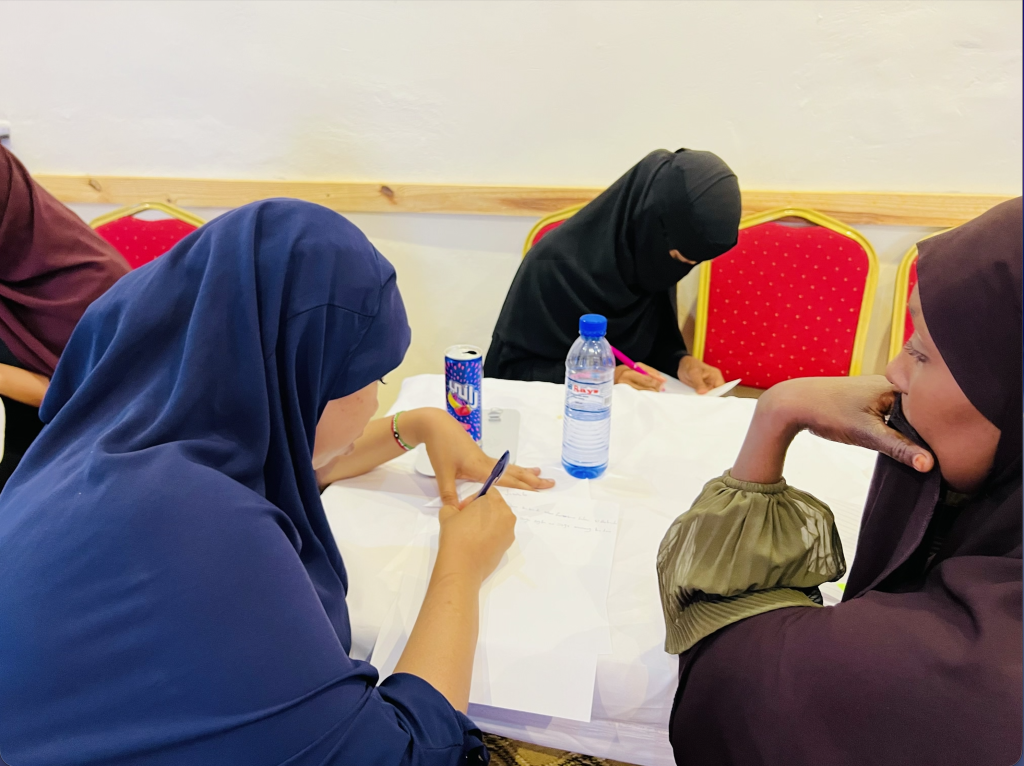
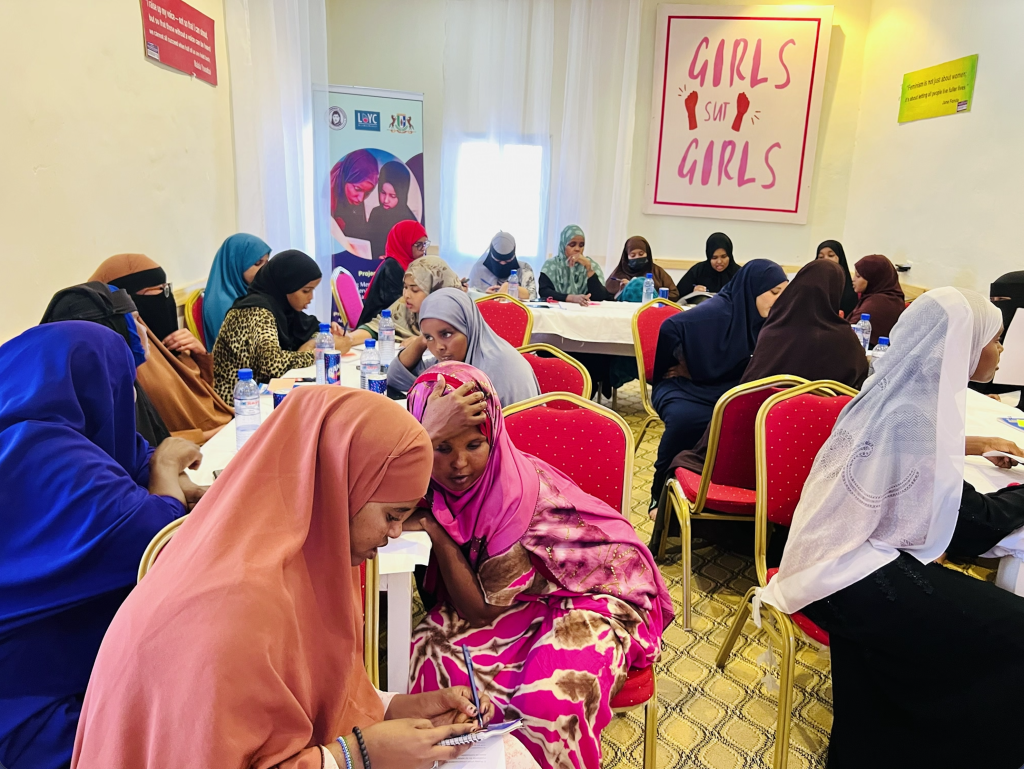
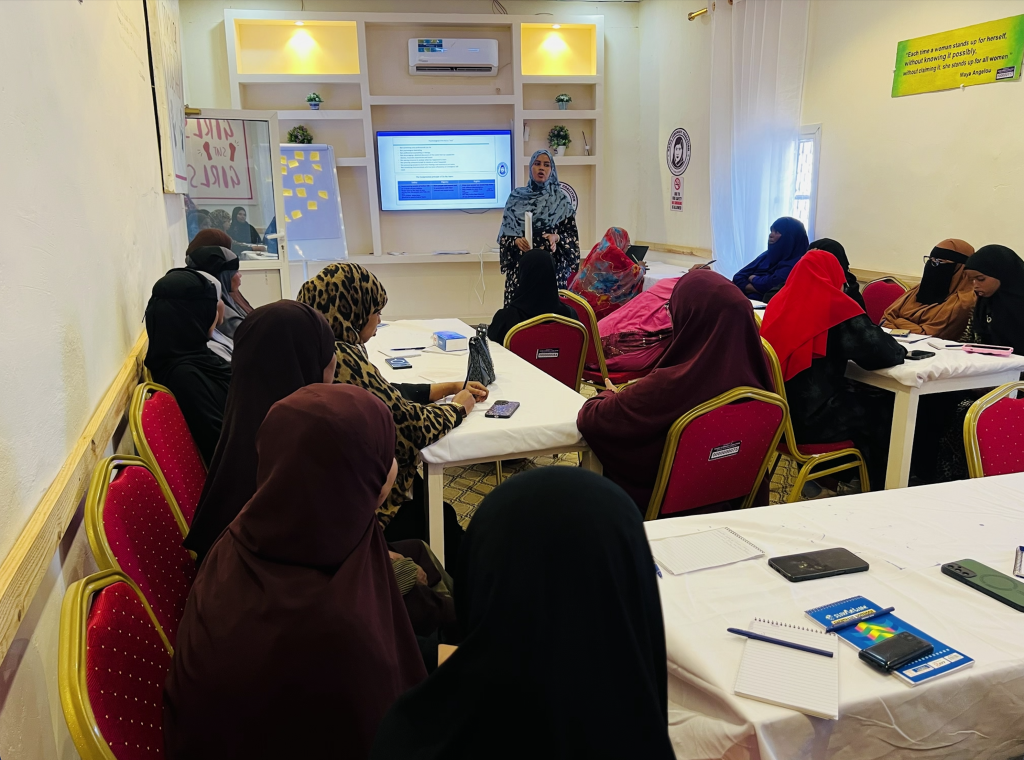
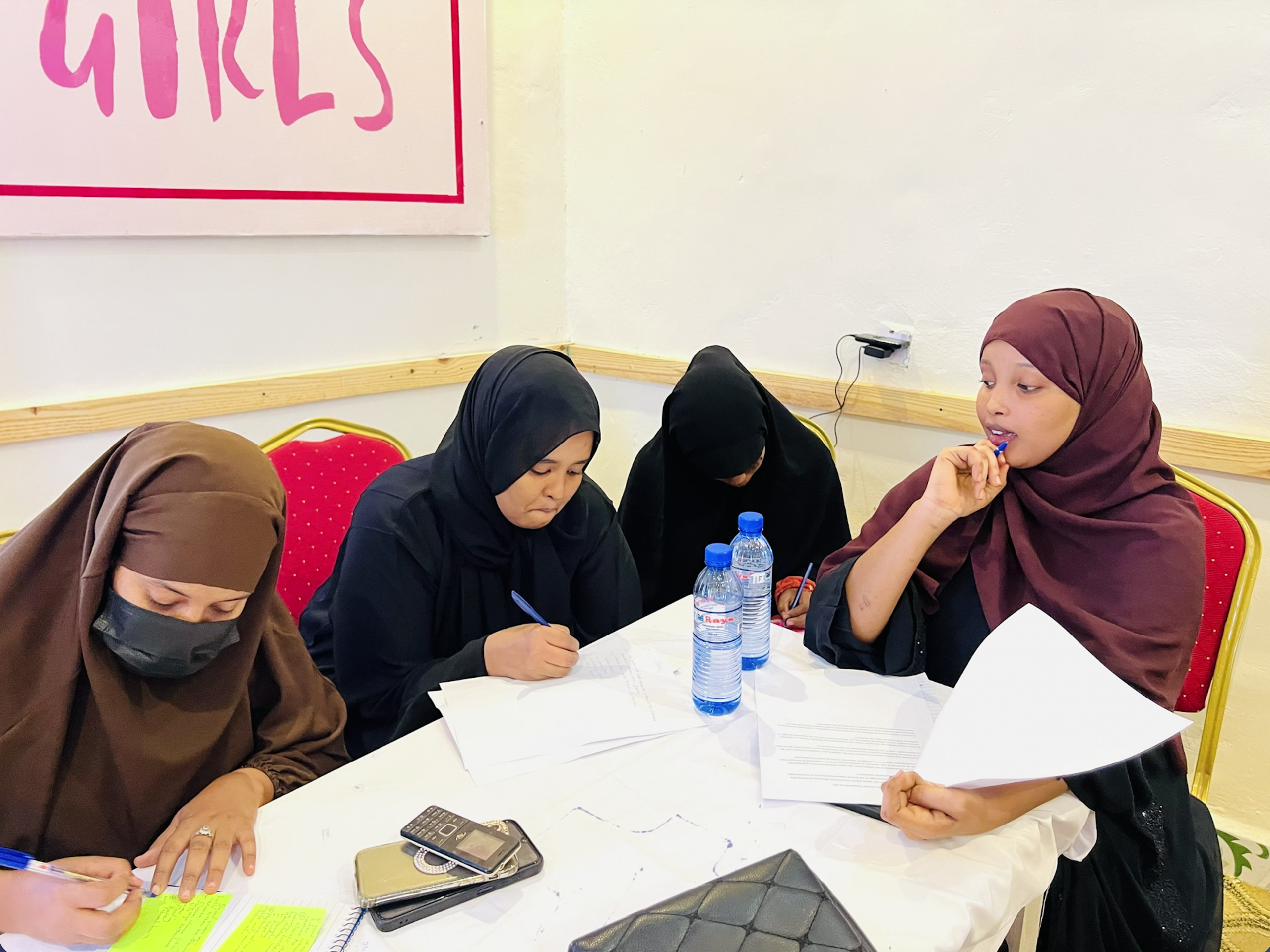
To respond to these challenges, Hawa Feminist Coalition provided participants with practical training in entrepreneurship, financial literacy, and essential life skills. The entrepreneurship component introduced the women to basic business concepts, including identifying viable business ideas, understanding customer needs, developing simple business plans, setting prices, managing stock, marketing products and services, and building positive relationships with customers.
The financial literacy sessions helped participants strengthen their understanding of budgeting, saving, record-keeping, responsible spending, profit calculation, and the separation of personal and business finances. These skills were intended to help the women make informed financial decisions, manage their businesses more effectively, and reduce the risks associated with poor financial planning.
The life skills component focused on building participants’ confidence, communication abilities, decision-making skills, problem-solving capacity, leadership, teamwork, and resilience. The sessions also created a supportive learning environment in which participants could share their experiences, discuss the challenges affecting displaced women, and encourage one another to pursue their economic goals.
Business Start-Up Support
Following the completion of the training, Hawa Feminist Coalition provided a total of USD 1,500 in business start-up support to help participants transform their newly acquired knowledge and skills into practical income-generating activities. The support enabled the young women to begin establishing small businesses based on their interests, existing skills, local market opportunities, and the needs of their communities.
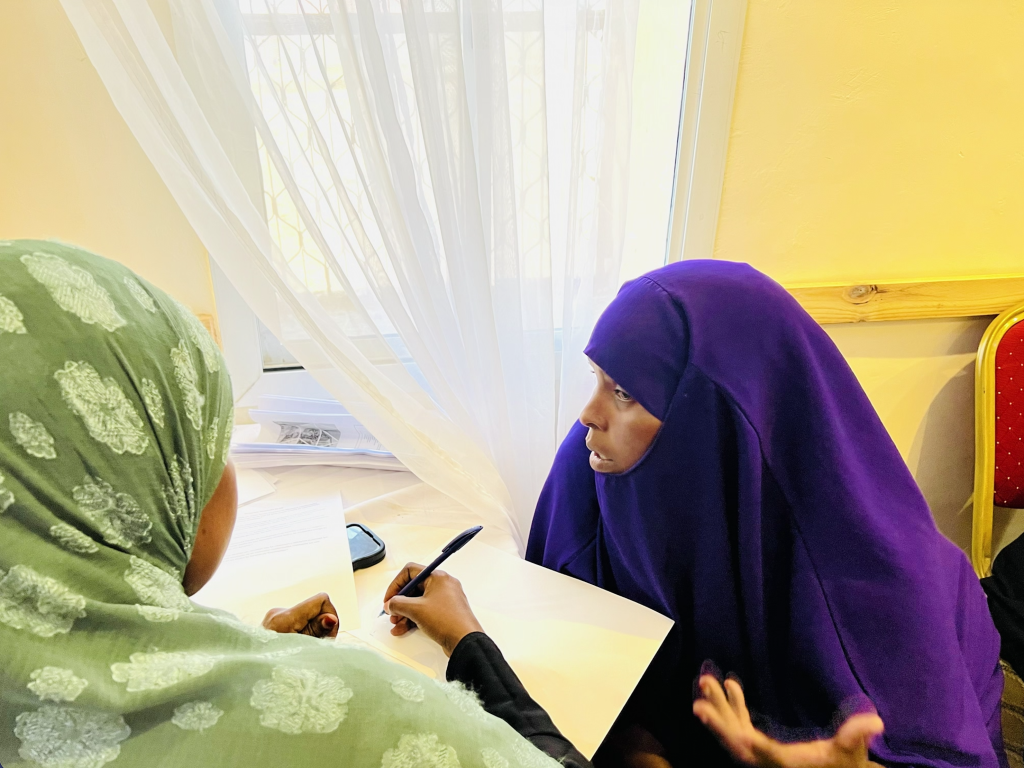
With guidance from the project team, participants developed both individual and group business plans. Each plan was presented to a selection committee for review and assessment. The committee provided practical feedback and recommendations to strengthen the proposed businesses, improve their feasibility, and ensure that the ideas responded to local market conditions.
The review process focused on the viability of each business idea, the level of demand for the proposed products or services, the participant’s capacity to manage the enterprise, and the potential for the business to become operational and generate income within a short period. This structured approach helped ensure that the start-up support was directed toward realistic and sustainable business ventures.
Ongoing Business Coaching, Mentorship and Follow-Up Support
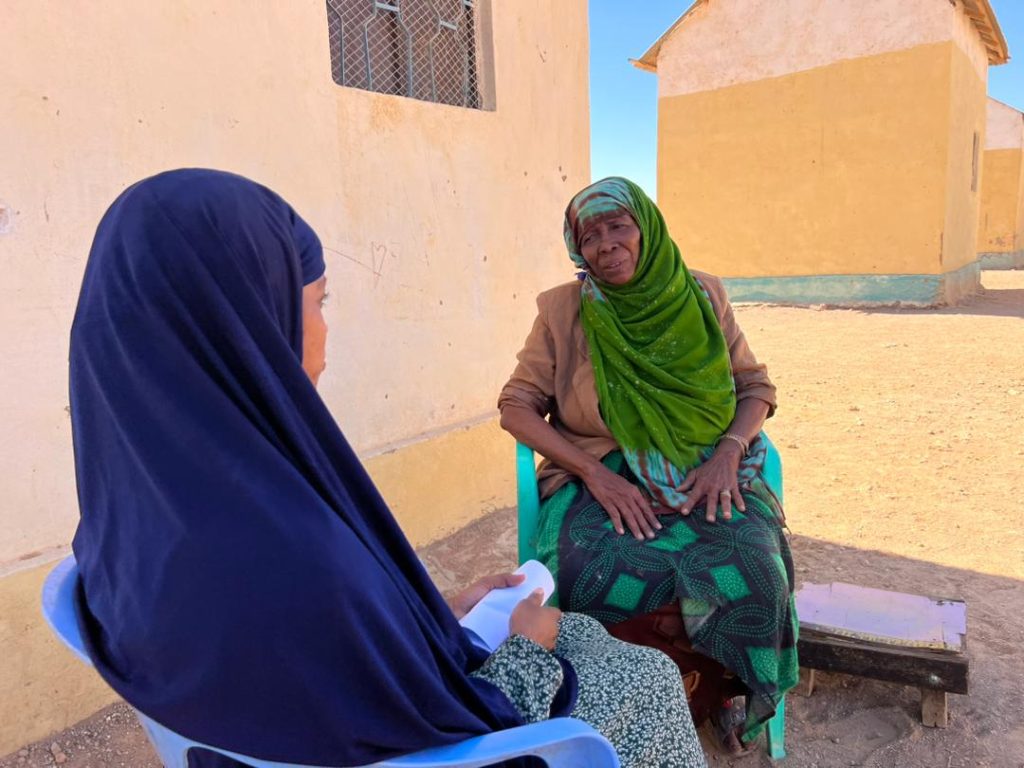
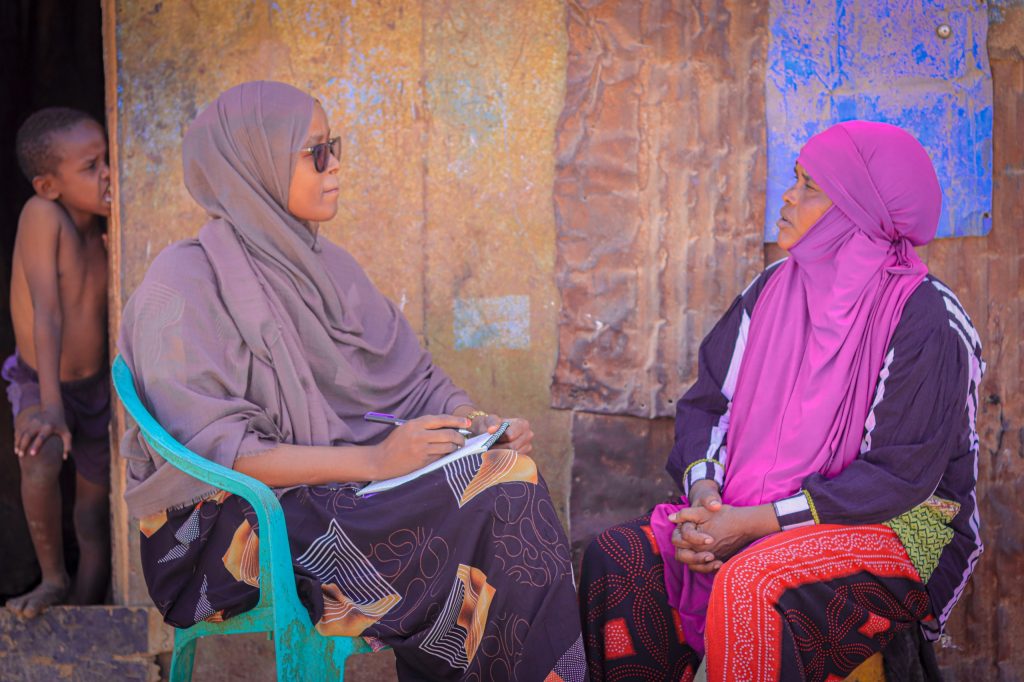
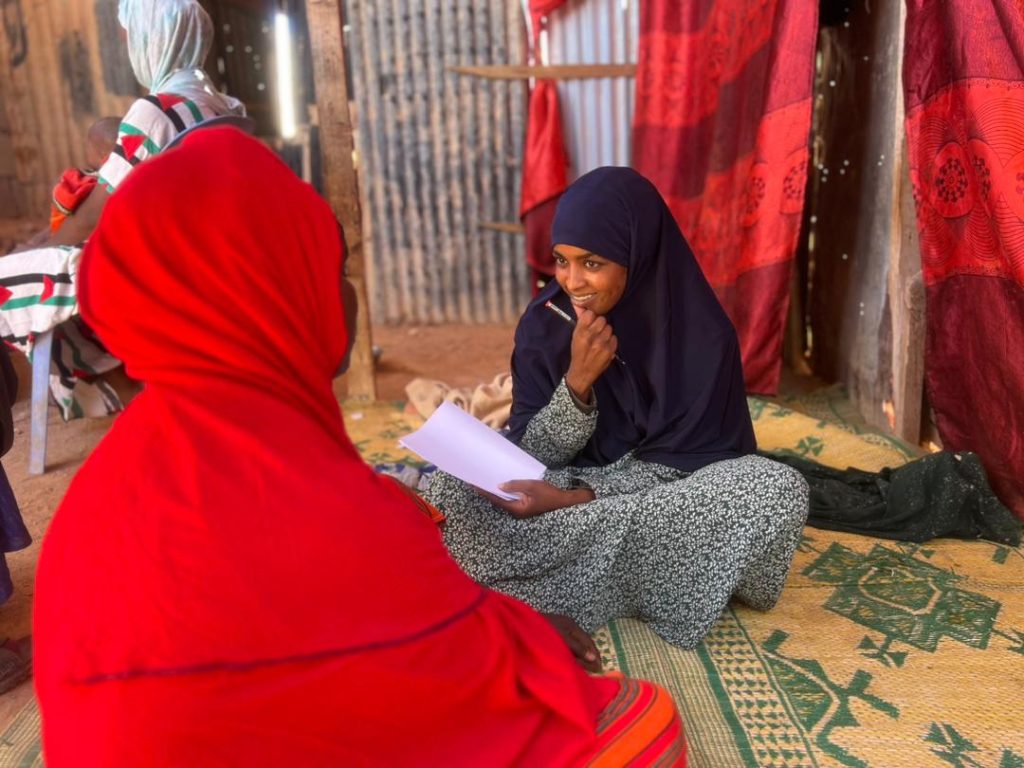
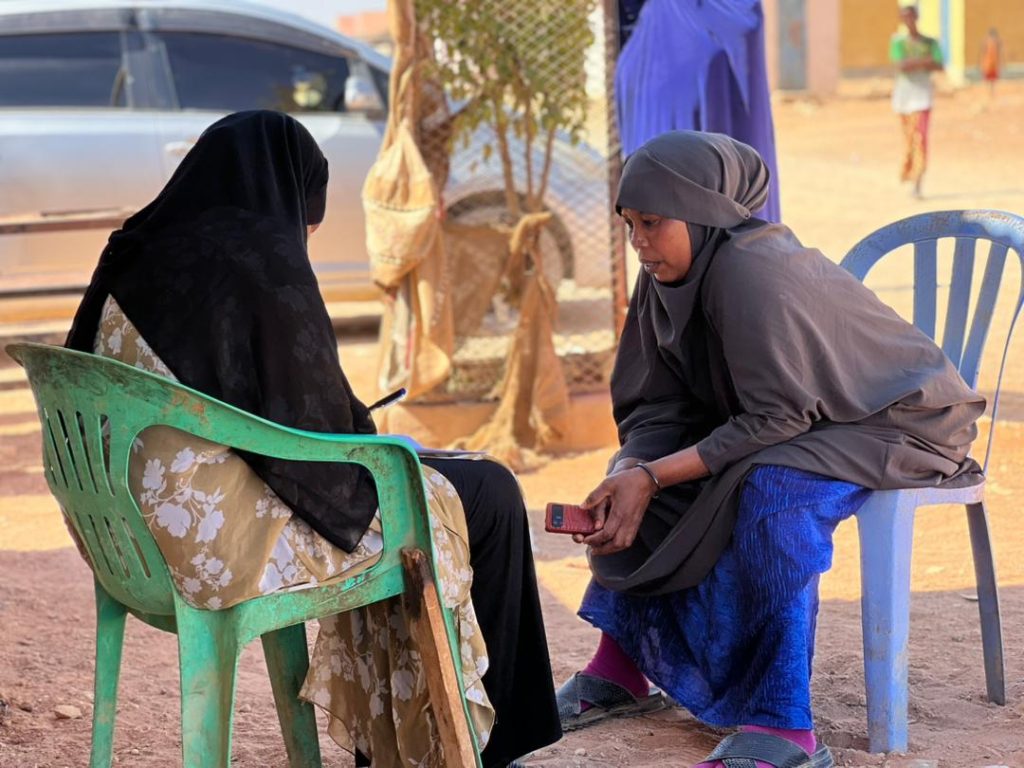
In addition to the start-up support, participants received coaching and follow-up guidance to help them address early business challenges, improve their planning, manage their resources, attract customers, and strengthen the sustainability of their enterprises. This continued assistance was important in ensuring that the training did not remain theoretical but resulted in practical livelihood opportunities for the participating women.
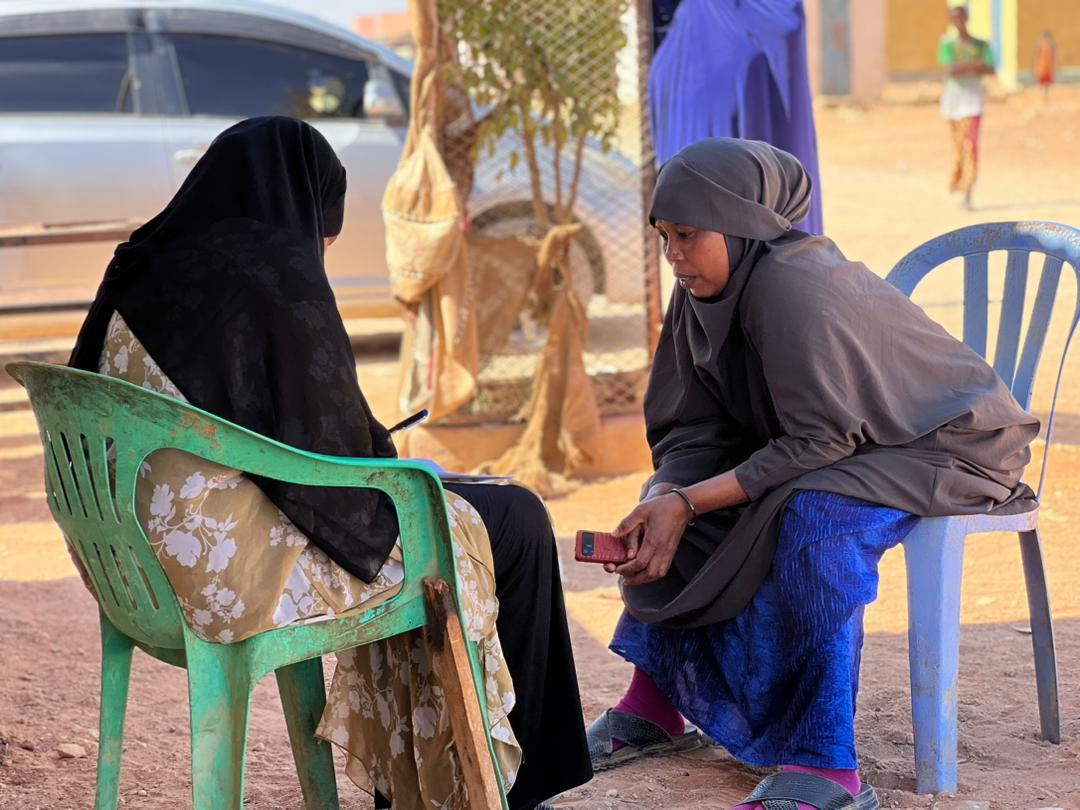
Follow-up visits confirmed that 26 of the 30 supported young women had successfully established small businesses within their IDP settlements. Among them, six women started individual petty-trading businesses serving their local communities, four formed a group to open a women’s clothing shop, and five jointly established a vegetable-trading business in an IDP settlement in Garowe.
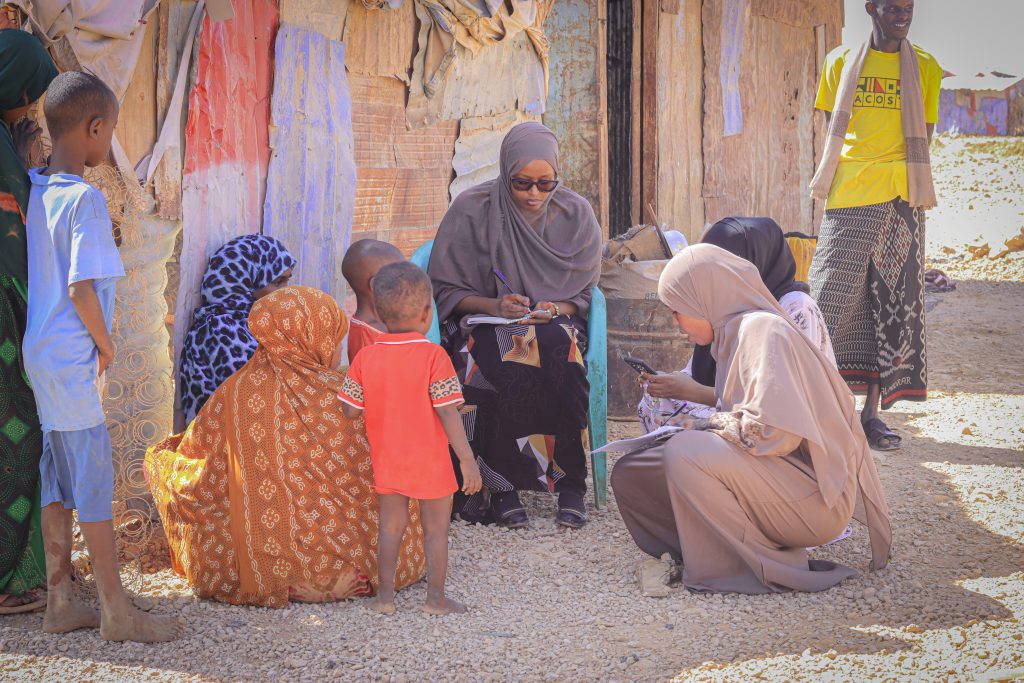
These results demonstrate the project’s strong contribution to women’s economic empowerment and livelihood recovery. Overall, 79% of the participants reported improvements in their livelihoods, household income, and capacity to meet their basic economic needs. The businesses have also increased participants’ confidence, strengthened their financial independence, and created accessible goods and services within their communities.
Significant Results and Positive Impact
Continuous coaching, on-site technical support, and regular follow-up visits played a significant role in helping participants turn their business ideas into functioning enterprises and overcome early start-up challenges. As a result, approximately 80% of the participants successfully established and began operating small businesses.
In addition, 79% of the supported women reported immediate improvements in their income, livelihoods, and ability to meet their families’ basic needs. These achievements demonstrate the project’s strong contribution to women’s economic empowerment and household resilience.
The project also helped improve the economic situation of vulnerable and marginalized families living in IDP settlements in Garowe, many of whom face extreme poverty, limited livelihood opportunities, and restricted access to formal employment and financial services.
Through the project, the women were supported to strengthen their income-generating capacity, improve their ability to meet household needs, and reduce their economic dependence. The project also contributed to increasing participants’ self-confidence, independence, and participation in economic and community life.
The programme recognized that women’s economic empowerment is not limited to providing financial assistance. It also requires relevant skills, ongoing mentorship, confidence-building, access to opportunities, and a supportive environment that enables women to make decisions about their livelihoods and futures.
By prioritizing young women from internally displaced communities, the project reached individuals who are often excluded from formal employment, business-development services, and financial systems. Supporting these women to establish small businesses contributes not only to their personal and household wellbeing but also to the resilience of the wider IDP communities in which they live.
Future Commitments
The project reflects Hawa Feminist Coalition’s continued commitment to advancing gender equality, women’s rights, economic justice, and the social and economic inclusion of displaced and marginalized women in Somalia. Through skills development, business support, coaching, and community-based empowerment, Hawa Feminist Coalition continues to help women build sustainable livelihoods and create more secure, dignified, and self-reliant futures.