
Women and girls who constitute approximately half of Somalia’s population are subjected to systematic discrimination, exclusion and injustice in all spheres of social, economic and political life. Sexual and gender-based violence including domestic violence, rape, and sexual abuse remains widespread throughout Somalia as a result of the continued insecurity, weak rule of law, gender inequality and oppressive cultural practices and norms. Recent spikes in intimate partner violence, rape, sexual exploitation, sexual harassment and abuse have multiplied GBV risks for women and girls with worsening impact on women and girls from the marginalized communities such as internally displaced people and refugees. This is compounded by limited availability of specialized GBV treatment services such as mental psychosocial support and for survivors of gender-based violence in 39 IDPs camps in Bosaso, Somalia where more than 132,000 displaced families are living. This was a major gap for survivors of gender-based violence suffering from mental illness including depression, anxiety and post-traumatic stress disorder to have access to mental and psychological support to take back control of their bodies, sexuality, and lives.
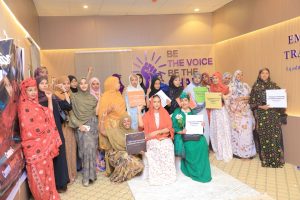
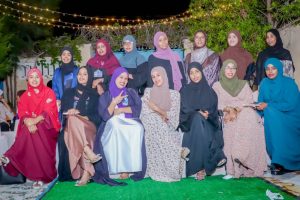
In response to these challenges, with support of Comic Relief USA, Hawa Feminist Coalition trained 100 young feminist activists (including volunteers who are from the refugees or internally displaced communities) to provide mental health and psychological support along medical care for survivors of gender-based violence from marginalized communities such as internally displaced persons and refugees in Bosaso, Somalia. 80% of the trainees were young activists and volunteers from internally displaced people and refugees while other 20% were from the minority groups in Bosaso, Somalia. 59% of them were survivors of gender-based violence who have had experienced mental illness.
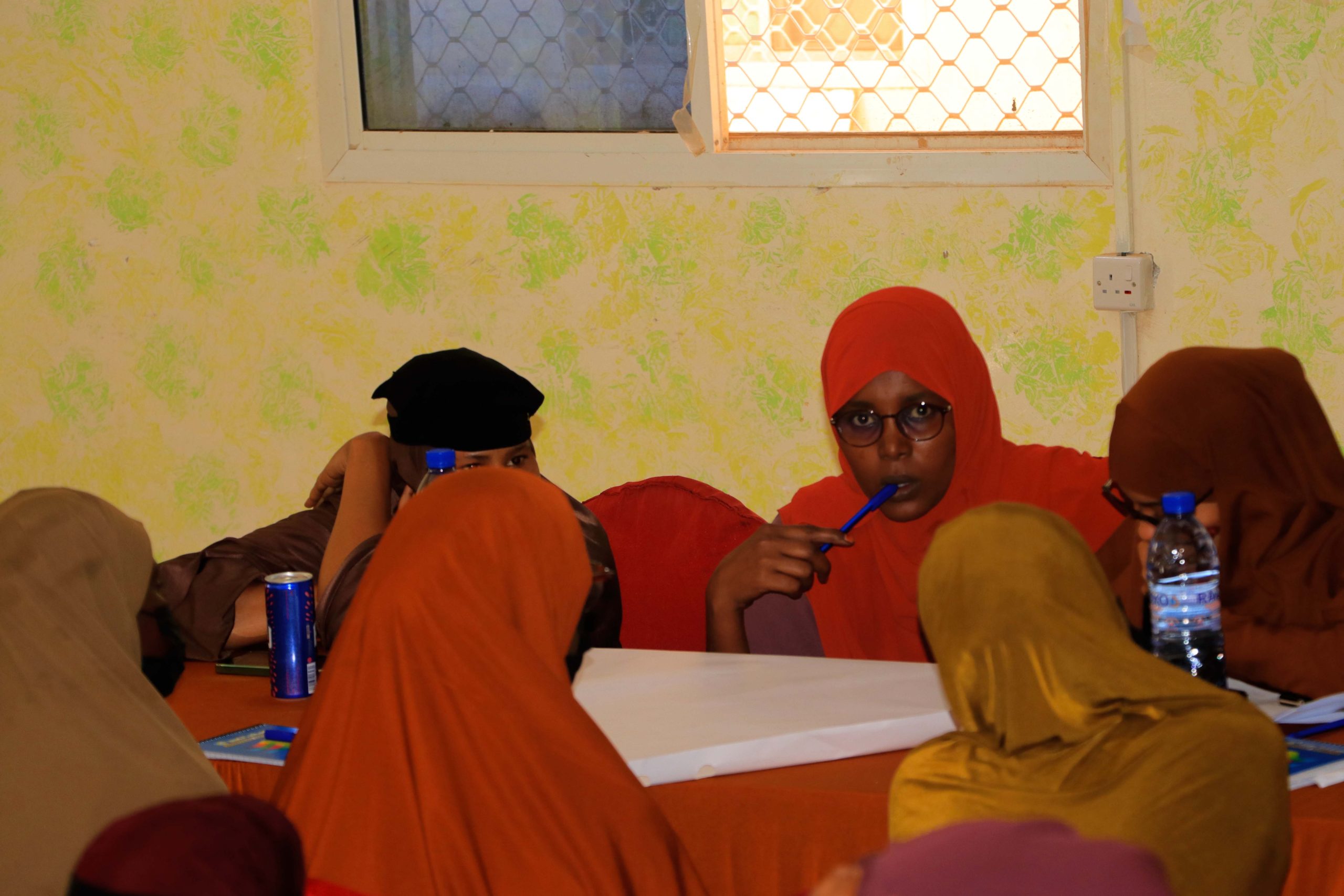
These 100 young feminist activists were trained in Bosaso, Somalia, in highly interactive and participatory training that lasted for 5 days. The training was a highly participatory and interactive that involved all participants in the discussion centered on simplified and translated materials and to guide the participants on the training progress. Some of the approaches used included problem-based learning using practical exercises, group work, role plays and case studies to keep trainees engaged in the training, which made them more receptive to the knowledge. During the five days training, the following topics relating to the mental health and psychosocial support for GBV survivors were among the sessions provided for the trainees:-
- Principles and guidelines for mental health and psychosocial support for GBV survivors
- Psychological First Aid
- Developing key mental health and psychosocial support messages
- Advocating for mental health and psychosocial support with key stakeholders
- Establishing mental health and psychosocial support activities and identifying and collaborating with key stakeholders in the community
- Developing a plan of action, coordination and cooperation with other peers
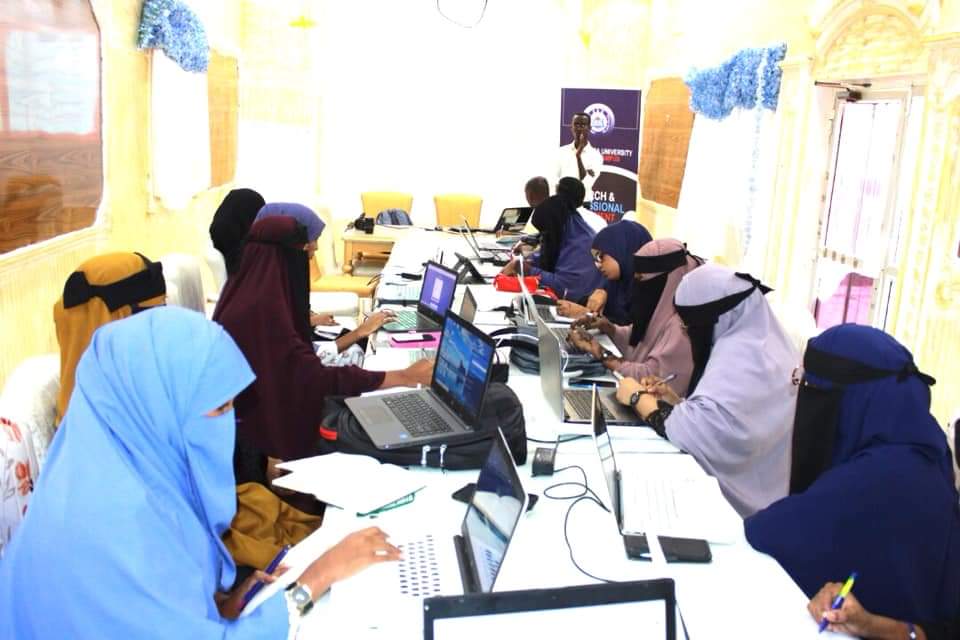


The 100 young feminist activists were trained sufficiently and ensured their full understanding and excellence in providing mental health and psychosocial support services in their communities. A pre-training test survey conducted before the training shows that 89% of the trainees had never had mental health and psychological support skills while 98% of them were committed to working with mental health and psychosocial in their communities. After training, a post-training test survey shows that 97% of the trainees reported their knowledge in mental health and psychosocial improved.
The main goal of this training was to produce trained young activists who can provide mental health and psychosocial services in their communities to ensure that survivors of gender-based violence suffering from mental illness including depression, anxiety, post-traumatic stress disorder have access to mental and psychological support to take back control of their bodies, sexuality, and lives.
Trainees were Engaged in Providing Mental Health and Psychosocial Support in The IDP Camps
After completion of the training, the trained 100 young feminist activists (including volunteers who are from refugees or internally displaced communities) were engaged practically to start providing mental and psychosocial support for their communities in their respective locations. 78 of the 100 trained feminist activists will work in 39 IDP camps or settlements in Bosaso, Somalia. They will work in groups; each group of two members will work in a camp. The remaining 22 feminist activists will work in the town or neighborhoods populated by refugees and migrants. Each group is expected to provide mental and psychological support to at least ten people in each month in their respective camp.


This immediately contributed to the expansion of mental health and psychosocial services to marginalized communities in Bosaso. The survivors of gender-based violence in Bosaso in Somalia have been suffering from mental illness including depression, anxiety, post-traumatic stress disorder will have now on access to mental and psychological support. These trained young feminist activists will continue to provide and expand the mental health and psychosocial services to marginalized communities in Bosaso and surrounding rural areas.
Next Plans and Continuation of The Mental Health and Psychosocial Support
The trained young feminist activists will join and be part of Hawa Feminist Coalition, the growing young feminist movement in Somalia where they will receive continued solidarity and support. Hawa Feminist Coalition has been focusing on increasing its members from the marginalized communities who are now more than 150 all from the marginalized communities such as IDPs and refugees, and working in their communities leading grassroots awareness-raising campaigns against the widespread sexual and gender-based violence including domestic violence, sexual abuse, rape, female genital mutilation and early marriage. The trained young feminist activists will join these brave activists already working in these communities and will provide these services voluntarily and ensure that survivors of gender-based violence suffering from mental illness including depression, anxiety and post-traumatic stress disorder have access to mental and psychological support to take back control of their bodies, sexuality, and lives.
Hawa Feminist Coalition is planning to expand this project, and these kind of trainings to other urban towns in Somalia where gender-based violence are prevalent and mental health and psychosocial services are limited. Hawa Feminist Coalition already secured small fund for expanding the project to other towns such as Qardho, Garowe and Mogadishu in Somalia. This will sustain availability of mental health and psychosocial services to the survivors of gender-based violence who are suffering from mental illness including depression, anxiety, post-traumatic stress disorder in Somalia.
Hawa Feminist Coalition appreciates Comic Relief USA for this funding this project, and would like to sincerely appreciate Ms. Mariam Mohamed Hussein, 21 years old young feminist activist, for leading this project and spearheading the trainings. Ms. Hussein is a co-founder of Hawa Feminist Coalition, and before this project, she trained more than 75 young women and girls on mental and psychological skills to support the survivors of gender-based violence suffering from mental illness including depression, anxiety and post-traumatic stress disorder in Somalia. Ms. Hussein was recognized and listed at WOW Young Leaders Directory 2020.
-END-