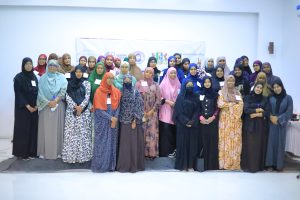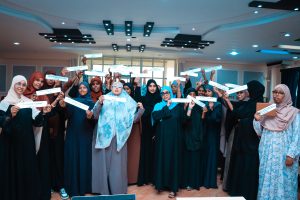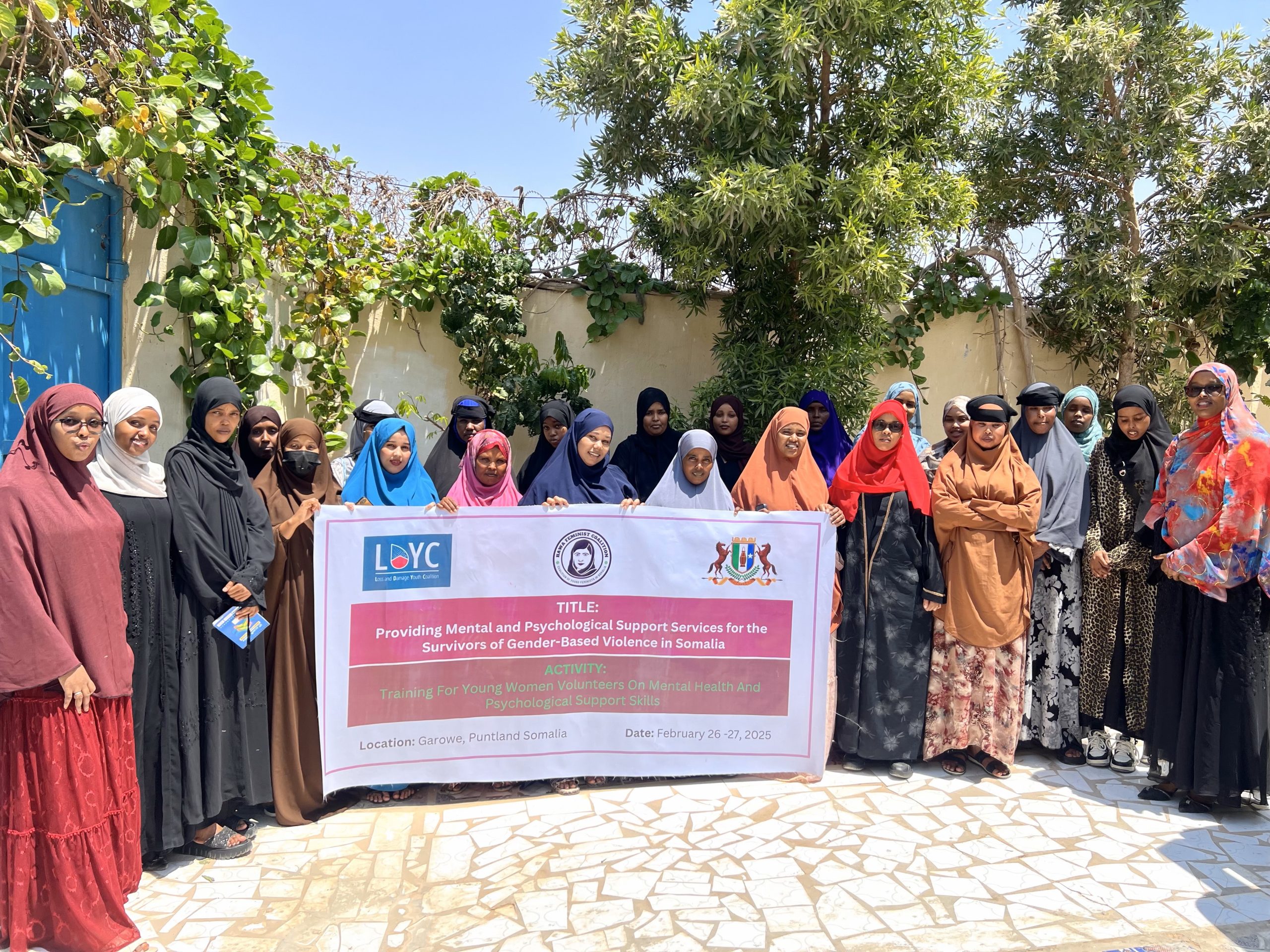
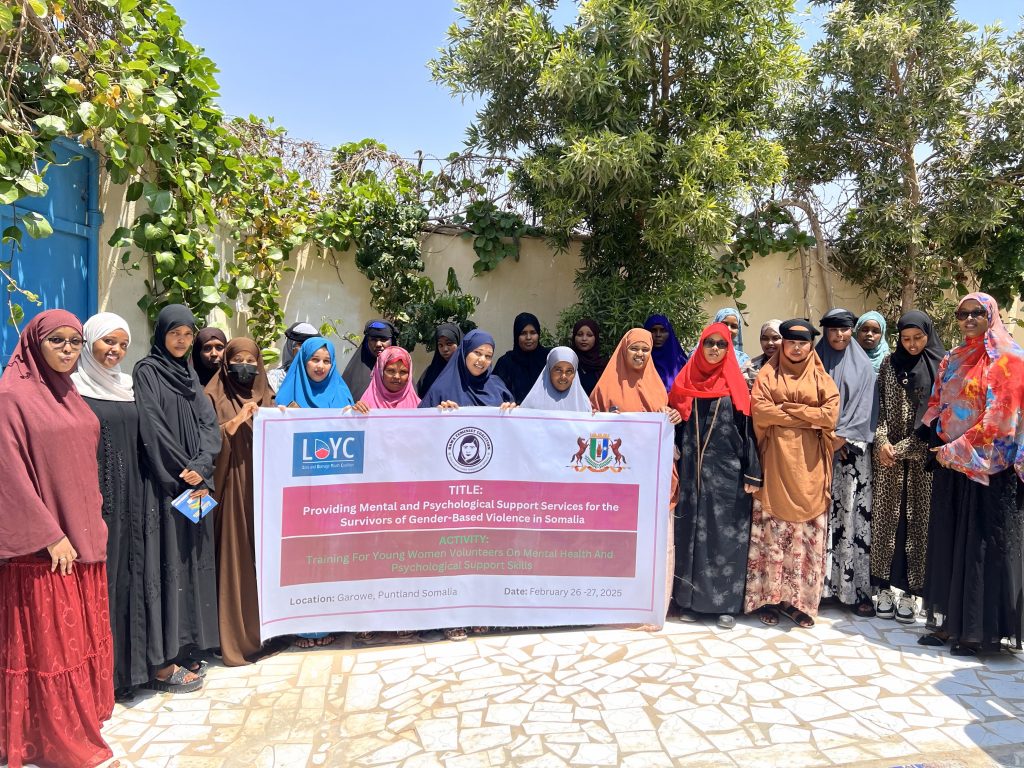
Hawa Feminist Coalition has taken a significant step towards strengthening mental health and psychosocial support (MHPSS) services in Somalia by training 30 young women in Garowe on mental health and psychological support skills. This training is part of a broader initiative to equip 100 young women across drought-affected regions in Somalia with the necessary skills to support gender-based violence (GBV) survivors in their communities.


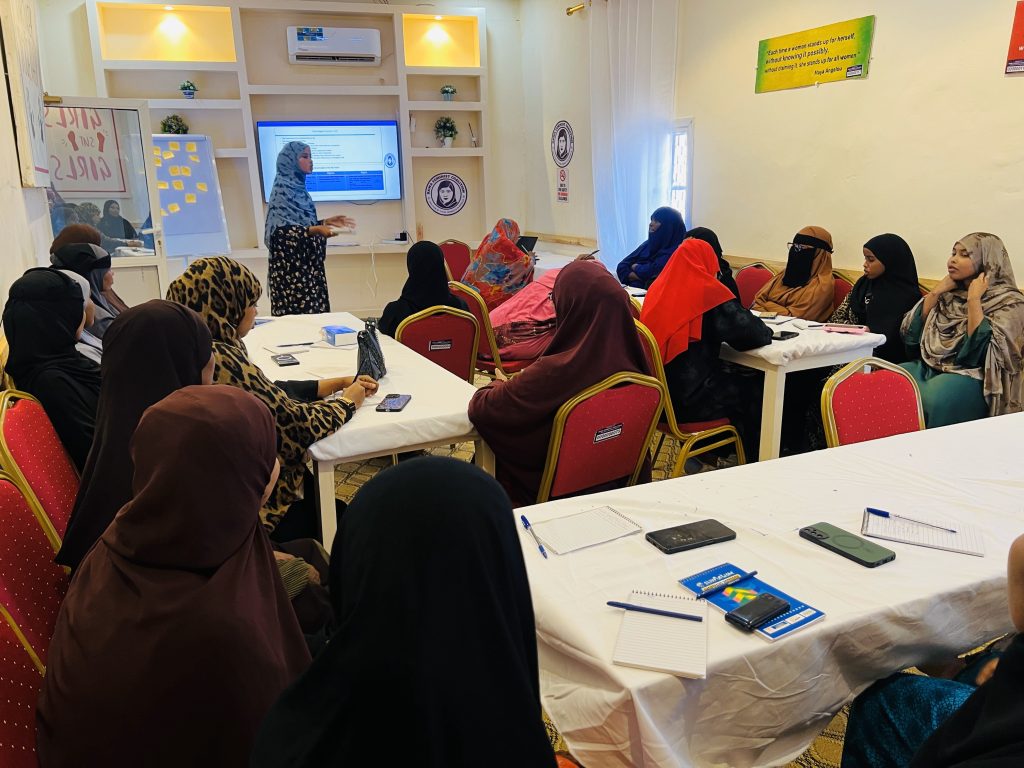
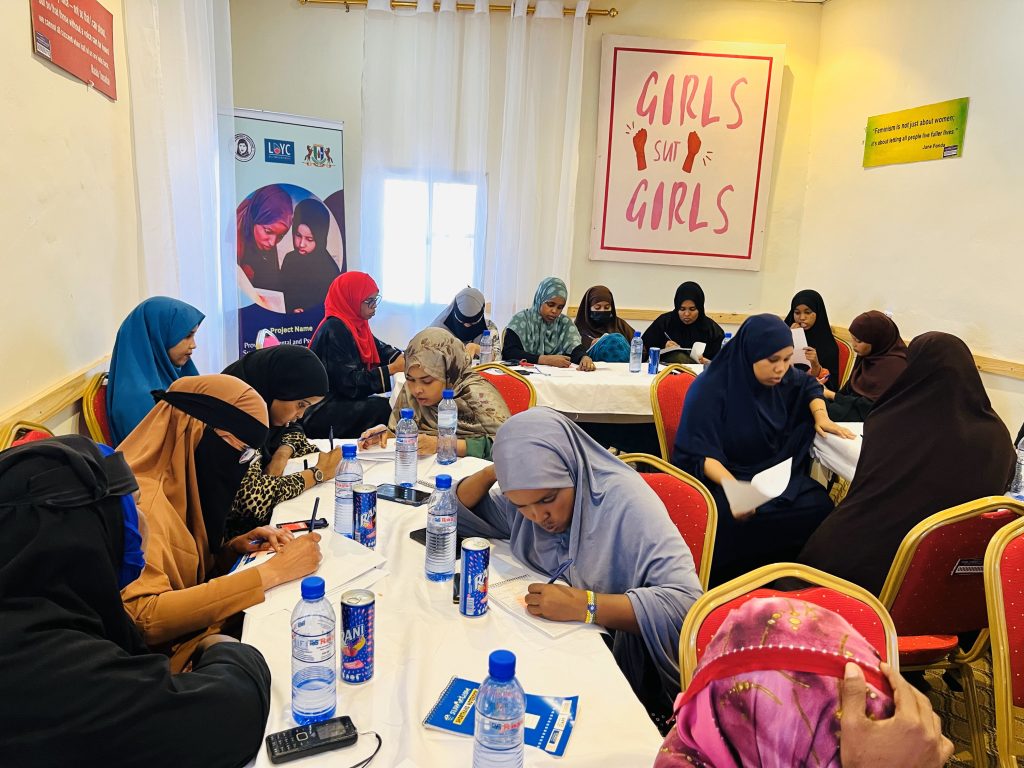
Held from February 26–27, 2025, in Garowe, Somalia, the training brought together 30 young women carefully selected from drought-affected and displaced communities, with a particular focus on survivors of GBV. An experienced trainer led the two-day training, which adopted a participatory and interactive learning approach. The curriculum was designed to provide foundational knowledge and practical skills essential for mental health support, particularly in humanitarian settings.

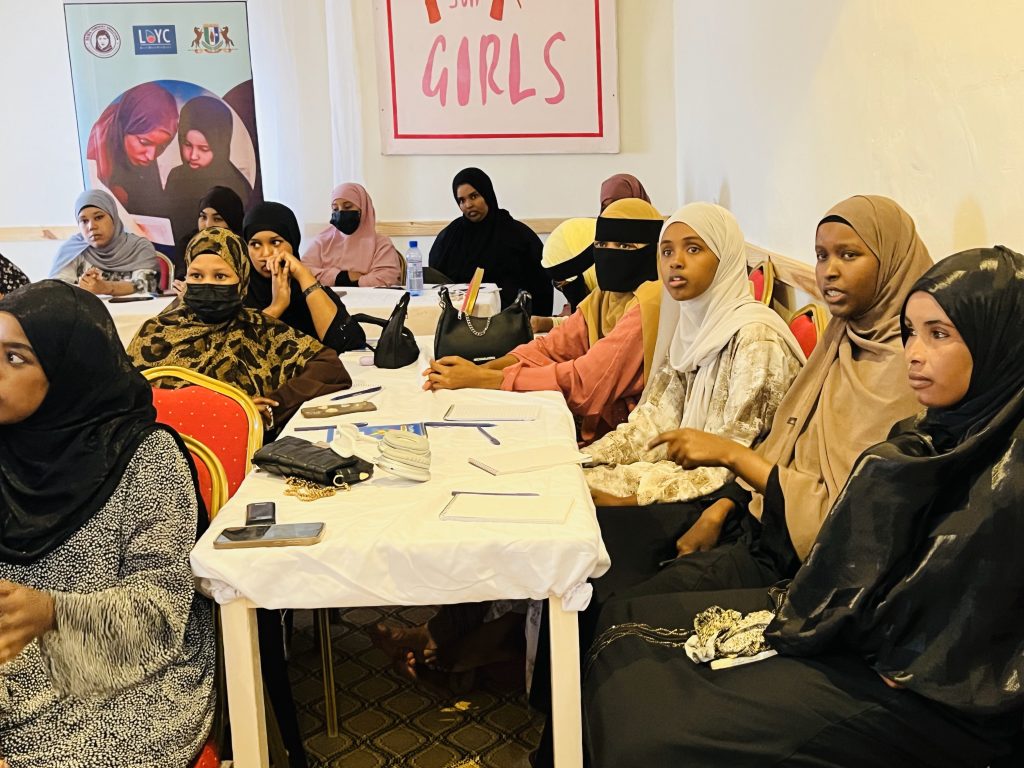

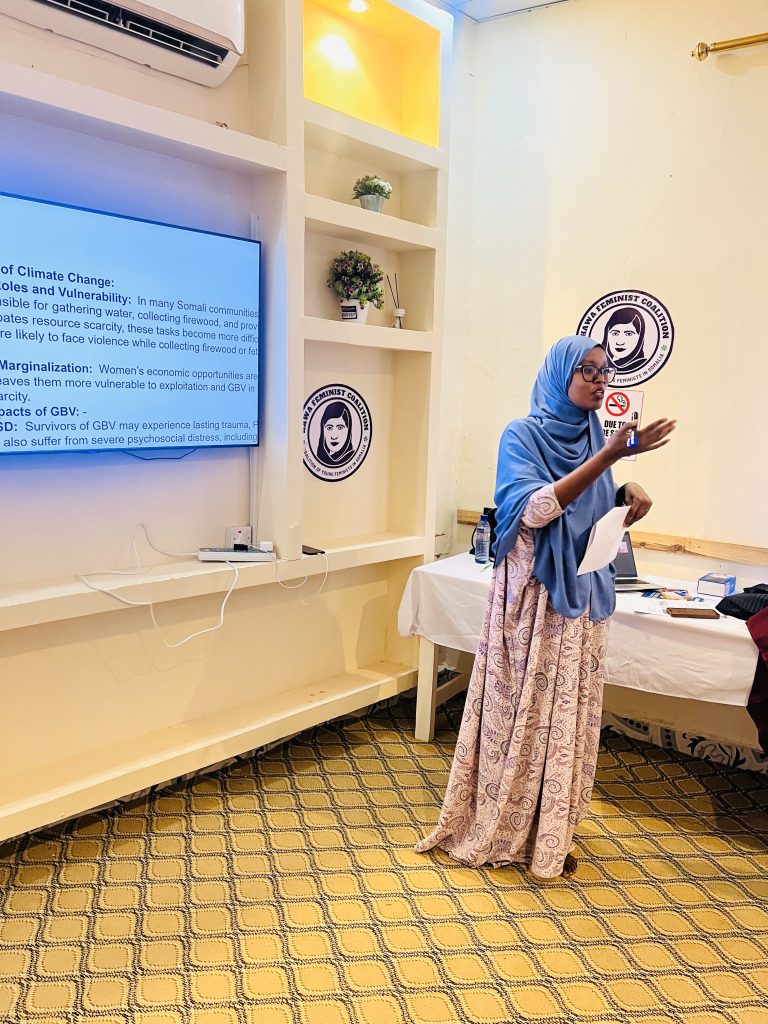
Key Training Components
The training covered a wide range of critical topics, including:
- Understanding the Context: Exploring the impacts of climate change, displacement, and GBV on mental health.
- Fundamentals of MHPSS: Introduction to mental health issues, common disorders, and psychosocial support principles.
- Recognizing and Responding to Mental Health Needs: Identifying symptoms, administering psychological first aid (PFA), and referring cases requiring professional intervention.
- Survivor-Centered Approaches: Ensuring dignity, respect, and cultural sensitivity in mental health support.
- Communication and Counseling Skills: Active listening, building trust, and de-escalation techniques.
- Coping Mechanisms and Resilience Building: Techniques for stress and trauma management, self-care for volunteers, and promoting resilience among survivors.
- GBV Prevention and Community Awareness: Raising awareness, advocating for mental health services, and engaging community leaders.
- Ethical and Legal Considerations: Data protection, GBV-related legal frameworks, and ethical guidelines in providing support.
- Simulation and Practice Sessions: Role-playing scenarios, feedback sessions, and action planning for real-world application.

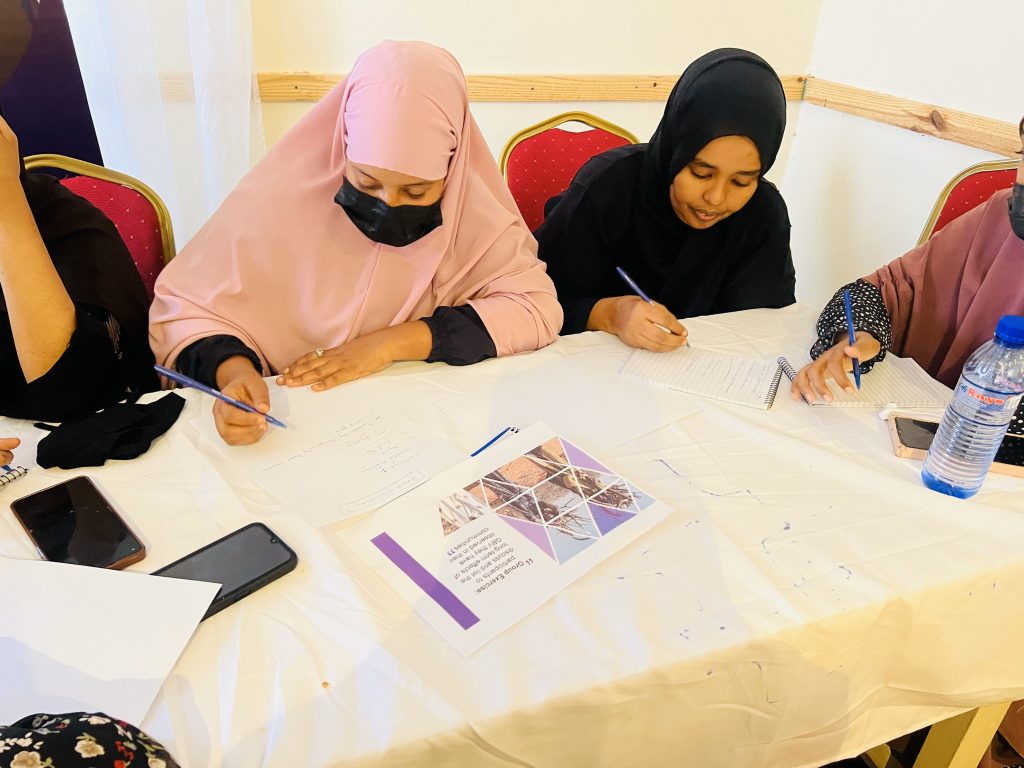


Transforming Knowledge into Action
The interactive discussions, brainstorming sessions, and role-playing exercises helped participants develop a deeper understanding of effective mental health support strategies. Addressing the stigma surrounding GBV, particularly rape and sexual violence, was a key focus of the training.


The impact of the training was evident in the evaluation results. A pre-training survey showed that all 30 participants had limited knowledge of mental health and psychological support. However, post-training, 27 participants reported having full knowledge of the topics covered, while 28 expressed confidence in their ability to provide support to GBV survivors suffering from mental health challenges, including depression, anxiety, and PTSD. Additionally, 29 out of 30 participants committed to starting mental health support services in their communities immediately after the training.
Fostering Collaboration and Sustainability
To ensure continued engagement and collaboration, participants were encouraged to form peer support groups. They organized themselves into four groups, consisting of 11, 8, 6, and 5 members, respectively. These groups will coordinate efforts to provide mental health services within their communities. Moreover, a WhatsApp group was created to connect all 30 participants, with future trainees joining the platform to share knowledge, experiences, and updates.
Looking Ahead
This training is the first of four planned trainings across different cities in Somalia’s drought-affected regions. Hawa Feminist Coalition remains committed to expanding access to mental health services and empowering young women to be at the forefront of psychosocial support efforts in their communities. By investing in community-led mental health initiatives, we are not only supporting GBV survivors but also fostering long-term resilience and social change.
The training participants and Hawa Feminist Coalition sincerely appreciate the Loss and Damage Youth Coalition for funding this crucial and impactful training.